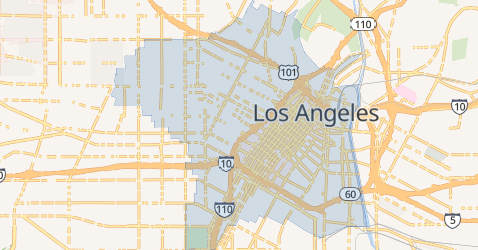
The 213 area code is one of the most recognizable codes in the United States, deeply tied to Los Angeles and its surrounding communities. Known for its cultural diversity and historical roots, this area code represents the heart of the city where entertainment, business, and urban life thrive. Understanding the cities and neighborhoods under this code helps paint a clearer picture of its unique identity.
The Origins of the 213 Area Code
The area code 213 was established in 1947 as one of the first original area codes in California. Initially, it covered a vast portion of Southern California, but as the population grew and phone numbers increased, the region was divided into multiple area codes. Today, 213 primarily serves central Los Angeles and a few nearby neighborhoods. Despite the reduction in size, it remains one of the most iconic area codes, often associated with downtown L.A. and its vibrant lifestyle.
Major Cities Covered by the 213 Area Code
Los Angeles
The city of Los Angeles is the primary and most well-known area covered by the 213 code. It includes the central parts of the city, encompassing some of the most important business, entertainment, and cultural hubs. Downtown Los Angeles (DTLA) is the epicenter, known for its skyscrapers, historic buildings, and dynamic mix of old and new architecture.
Vernon
Vernon, a small industrial city near downtown L.A., also falls under the 213 area code. It is known for its manufacturing plants, warehouses, and distribution centers. Though it has a small residential population, its economic contribution to Los Angeles County is significant.
Huntington Park
Parts of Huntington Park, located southeast of downtown Los Angeles, are also included in the 213 area code. The area is known for its strong Latino community, local shops, and vibrant cultural atmosphere.
Prominent Neighborhoods Within the 213 Area Code
Downtown Los Angeles (DTLA)
DTLA is the beating heart of the 213 area code. It’s home to the Financial District, the Arts District, Little Tokyo, and the Fashion District. These neighborhoods highlight the diversity and constant evolution of Los Angeles, combining history, business, and creativity.
Koreatown
Koreatown, or “K-Town,” is another major neighborhood within the 213 area code. It’s famous for its bustling nightlife, endless restaurants, karaoke bars, and unique blend of Korean and Latino cultures. This neighborhood embodies the multicultural essence of Los Angeles.
Westlake
Westlake, located just west of downtown, offers a dense urban environment with a mix of residential and commercial spaces. It’s known for its historic buildings, community vibe, and proximity to MacArthur Park—a central landmark of the area.
Pico-Union
Pico-Union is a culturally rich neighborhood that showcases the diversity of the Los Angeles community. It’s home to many immigrant families and has a deep sense of community spirit, making it an integral part of the 213 area code region.
The Legacy and Identity of the 213 Area Code
The 213 area code is more than just a number—it’s a symbol of Los Angeles’ history, diversity, and urban culture. From the corporate towers of DTLA to the local restaurants of Koreatown and the family-oriented communities of Westlake, this area code connects people and neighborhoods that define the city’s identity.
In recent years, as new area codes like 323 have been introduced to meet demand, 213 has remained a badge of pride for many Angelenos. It continues to represent the core of Los Angeles—energetic, diverse, and full of opportunity.
 213 Area Code